
“Maybe Later”: One Student Develops Mission to Change Teen Choices
It usually starts small. A sip of alcohol at a party. A hit from a vape in a bathroom. Something “just for fun” or a “one-time thing.” Something that feels normal.
But for many teens in the United States, experimenting with alcohol, nicotine or other substances can quickly become patterns that affect their health, brain development and future choices. (National Institute on Drug Abuse, 2025)
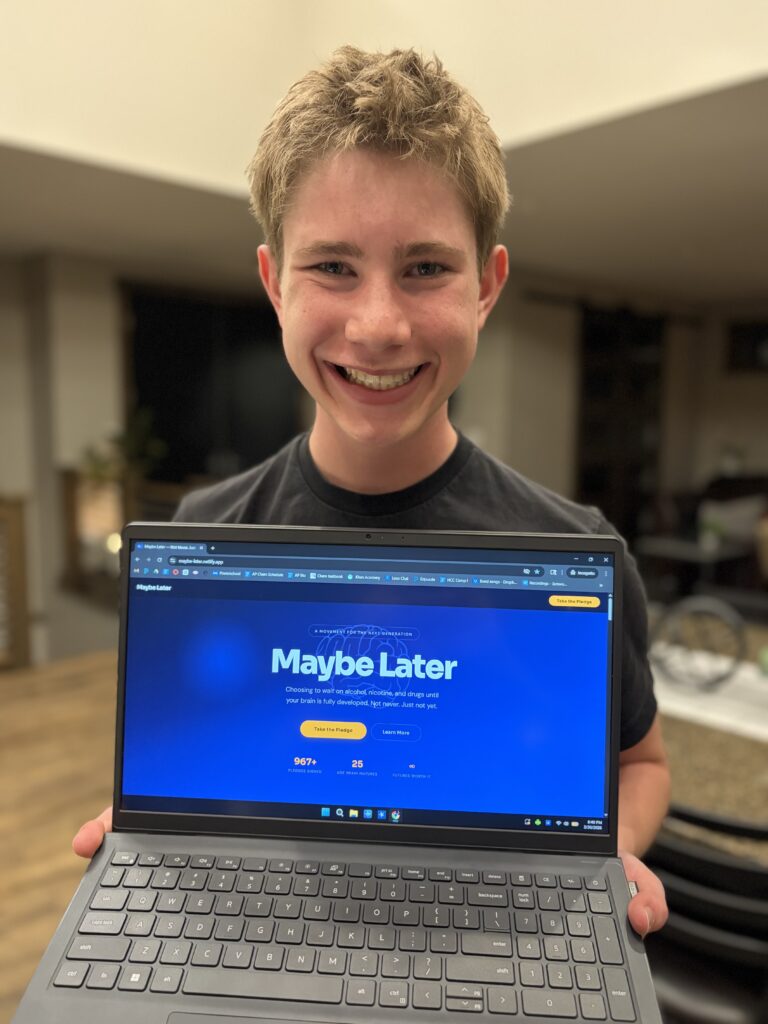
Junior Andrew Goetsch, who is president of Cedar Falls Highschool LEO club, saw this happening all around him every day. Students are vaping, drinking and experimenting with drugs, most of them not realizing how much their early choices can shape their future, and seeing the real-life consequences wasn’t just at school. Goetsch’s father works in the ER, treating young people whose health and opportunities have already been affected by these decisions.
Instead of just watching, Goetsch decided to be proactive. That “something” became Maybe Later, which is a student-led campaign that encourages teens to wait on alcohol, nicotine and drug use until their brains are fully developed.
“I saw vaping, drinking and substances becoming normalized every day at school,” Goetsch said. “I wanted to help change all of that.”
The idea had been on his mind for a long time, but he said it ultimately came down to taking action.
“I was born into a family of problem solvers who taught me to find solutions instead of complaining,” Goetsch said. “I realized that the difference between a good idea and a great one was action.”
The name Maybe Later reflects the campaign’s overall message. It isn’t about saying no forever; instead, it’s about giving students a realistic way to pause and make better decisions.
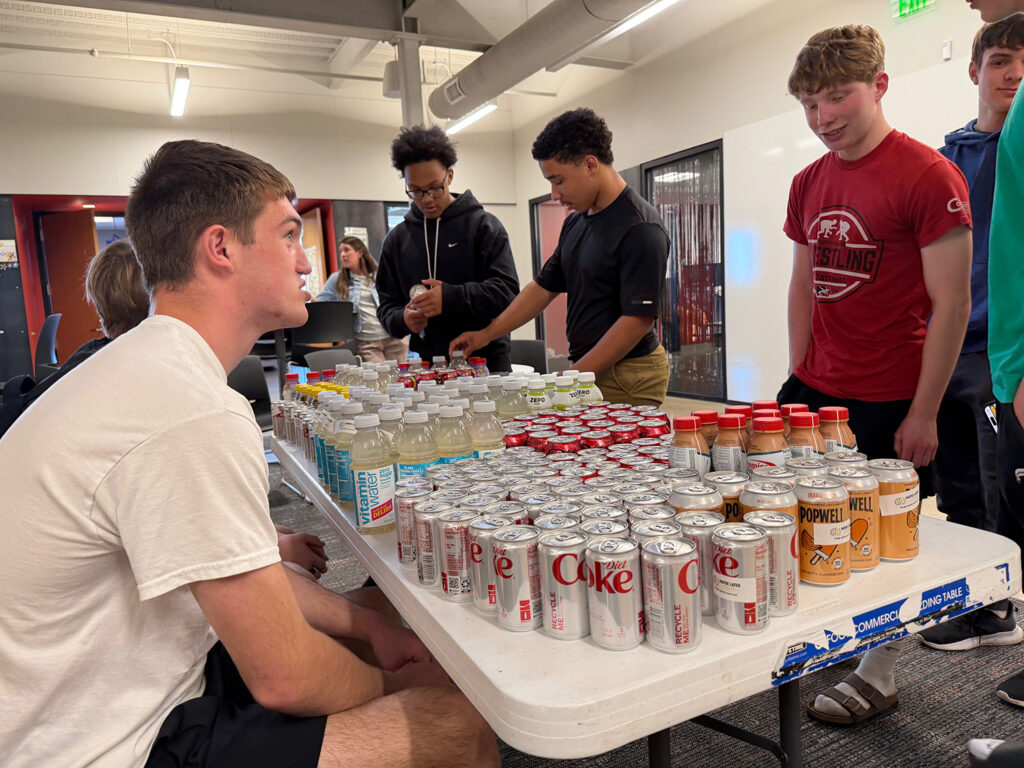
On Monday, March 26, the Maybe Later campaign had a school-wide presentation during Tiger Time. A video created by Goetsch was shown, along with by a QR code that allowed students to take the pledge to say “Maybe Later.” After signing, students could go to tables set up around the school to receive a reward—like an energy drink or snack—for participating.
As of Monday, April 6, over 990 students have taken the pledge to say “Maybe Later.”
Research shows that the human brain isn’t fully developed until around the age of 25, and substance use before then can negatively and permanently affect decision-making, judgment and impulse control. Goetsch said that a lot of students simply don’t know that.
“A lot of students don’t realize how long it takes for the brain to fully develop,” he said. “I want people to understand why waiting is the smart choice for a better future.”
For some students, that message is what makes the campaign stand out.
Senior Ben Kenkel said that the campaign feels realistic and relatable compared to other messages that teens normally hear.
“The video really connected with me because the things in it actually happen around us every day. It’s not saying ‘don’t do it,’ instead, it shows that it might happen, and it gives people a way to think about it differently. Saying ‘maybe later’ makes it feel easier to put it off instead of feeling like it will never happen.”
Kenkel also said that the campaign reached a lot of students who might normally just ignore these types of messages.
“People who don’t usually watch things like that actually watched it and liked it. It draws people in and delivers a message that people need to hear.”
Maybe Later is giving students a choice. Taking the online pledge is more than just words; it’s having a personal commitment to prioritize health, opportunities and freedom of choice. Hundreds of students have already signed, and people who sign the pledge are entered to win a $500 scholarship toward the college of their choice
Local businesses and large corporations alike have also stepped in to support the campaign, which is helping it grow from one student’s idea into something bigger within the community and maybe beyond.
Goetsch said that his goal isn’t to shame or try to control students, but instead it’s to give them a realistic way to handle pressure.
“I think everyone is surrounded by pressure and trying to fit in every day,” he said. “Having something simple to say like ‘maybe later’ can help people stay in control.”
For Goetsch, the impact of the campaign comes down to one simple idea.
“If it helps even one person pause, rethink a decision, or change their trajectory, it’s worth it,” he said.
In a world where substance use can feel normal, Maybe Later offers something different, not pressure or judgment, but a reminder that waiting is still a choice. And sometimes that one choice can change everything.
You may also like...
-
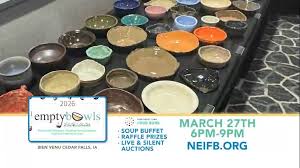
Empty Bowls raises over $44,000
Empty Bowls was created in 1990 by Lisa Blackburn and John Hartom. Hartom was an art teacher at a school that was hosting a food drive. They told the...


You must be logged in to post a comment Login